
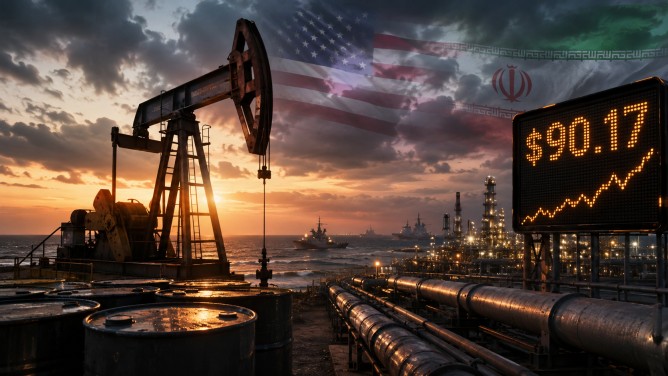
The expiration of a two-month negotiation period between the United States and Iran without reaching a peace agreement has caused a significant spike in oil prices, intensifying fears about prolonged disruptions to global energy supplies. Brent crude oil prices surged past the $90 mark, climbing to about $91.63 per barrel, marking the highest price since July 30. The upward trajectory in prices follows U.S. President Donald Trump’s ultimatum for Iran to surrender, coupled with his warning that the conflict might escalate if diplomatic solutions are not achieved.
This deadlock has also cast a shadow over the Strait of Hormuz, a vital artery for global oil shipping. The number of commercial vessels transiting this critical passage has decreased considerably, raising concerns about long-term interruptions to oil supplies. The strategic waterway’s reduced traffic underscores the potential for significant impacts on the stability of crude oil distribution, further fueling anxiety in the energy markets.
Adding to these concerns, Iran has suggested it might take a more assertive military approach if diplomatic efforts fail. An attack on a cargo vessel navigating the strait has been reported, exacerbating fears about the security and safety of shipping in this region. This development has prompted market participants to brace for an extended period of supply disruptions, with the possibility of heightened risks to oil transportation through the strait.
Analysts caution that the ongoing tensions in the Middle East, alongside the continuing conflict in Ukraine, could further destabilize global energy markets. Such instability may lead to additional shocks, with higher oil and gas prices as potential outcomes. The interplay of these geopolitical dynamics highlights the fragile nature of current energy supply networks and the sensitivity of the market to regional conflicts.