
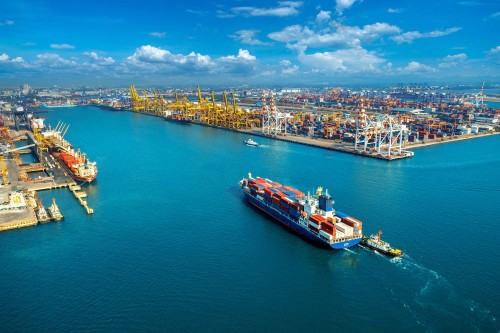
As the European Union grapples with concerns over its growing reliance on Chinese imports, officials are deliberating potential new restrictions to protect European industries. The focus is on the rising influx of Chinese goods across various sectors such as manufacturing, agriculture, healthcare, technology, and defense. This influx is causing unease among EU commissioners, who fear that the increase in lower-cost Chinese products could undermine domestic industries and contribute to industrial decline in certain regions of Europe.
These talks are occurring in the context of what some policymakers are labeling “China Shock 2.0.” This term refers to the swift surge in Chinese exports, including electric vehicles, industrial machinery components, medical equipment, and consumer goods. While no immediate decisions are anticipated, the discussions aim to forge a coordinated strategy to be presented at upcoming EU leadership meetings.
Among the measures being considered are import quotas, tariff-rate quotas, and other trade safeguards intended to shield sectors facing intense competition from lower-cost, heavily subsidized imports. Economic experts advise that while the EU should implement protective measures, it must also maintain an engagement strategy with China, which is one of Europe’s largest trading partners and a significant market for European businesses.
Analysts emphasize that China’s industrial strategy remains focused on fostering manufacturing growth and technological advancements, making trade tensions with major export markets increasingly probable. Meanwhile, the EU is a crucial market for Chinese exporters, especially in sectors like electric vehicles and advanced manufacturing. Any substantial restrictions imposed by the EU could lead to retaliatory actions from Beijing, escalating the stakes for both parties.
These deliberations underscore Europe’s broader initiative to bolster economic resilience while managing its intricate trade relationship with China. The outcome of these discussions will likely have a significant impact on the future dynamics between the EU and China, as both seek to navigate the complexities of their economic interdependence.